Battles Within: The Silent Struggles of Addiction Recovery

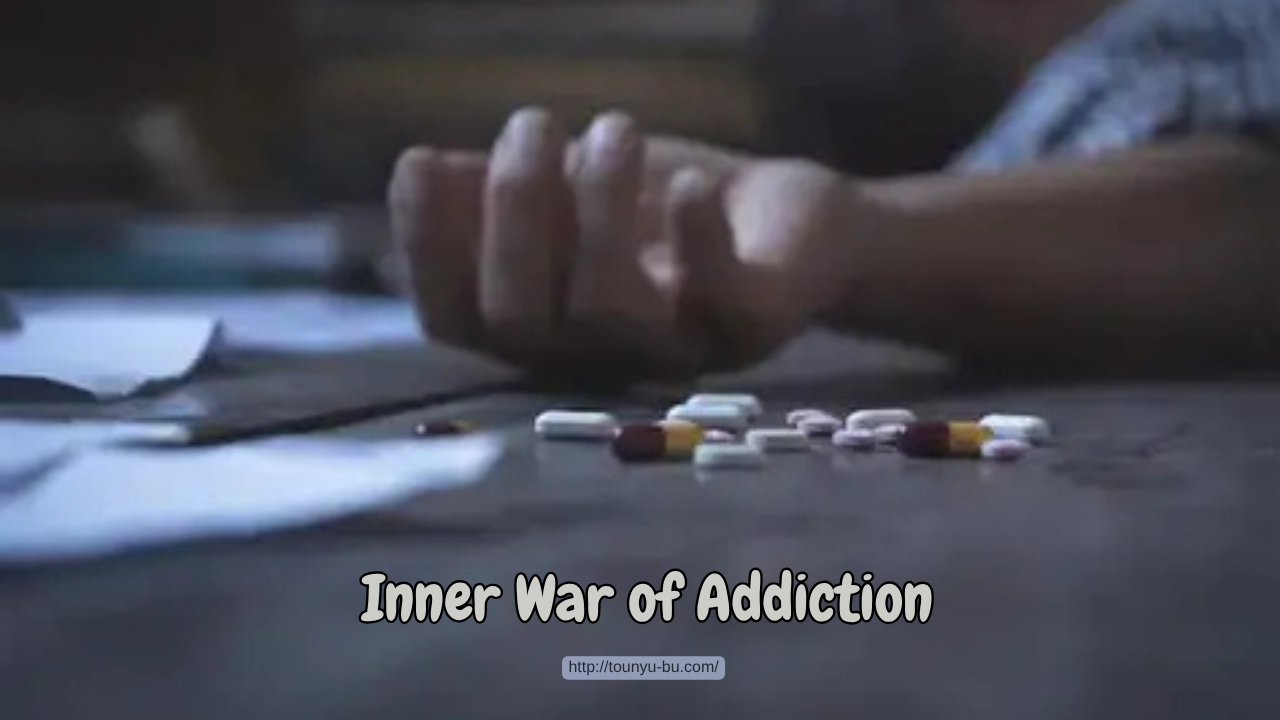
Recovery from addiction is often viewed from the outside as a simple act of quitting a substance. But for those walking the path of sobriety, the reality is far more complex. Addiction recovery is a journey marked by intense internal battles—silent struggles that are rarely visible to others but are very real for those facing them daily.

The Emotional Rollercoaster

One of the most difficult aspects of recovery is managing the wave of emotions that surface once substances are no longer masking them. Many individuals in recovery find themselves suddenly confronting years of suppressed feelings—grief, anger, guilt, and shame. These emotions can be overwhelming, often leading to moments of self-doubt and despair. Learning how to sit with these feelings without running back to old habits is a critical and challenging part of the recovery process.

Therapy, mindfulness practices, and support groups can help individuals process these emotions. Over time, they learn healthier coping mechanisms, but the emotional rollercoaster remains a significant internal battle, especially in the early stages of recovery.

Coping with Cravings and Triggers

Cravings don’t just disappear after someone stops using substances. They linger, sometimes surfacing months or even years into sobriety. Triggers—whether they are emotional, social, or environmental—can bring on a sudden urge to relapse. A familiar place, a stressful situation, or even a specific smell can send someone spiraling back into cravings.

Managing these moments requires vigilance and strength. Individuals in recovery often develop personal strategies, such as grounding techniques, reaching out to a trusted friend, or attending a support meeting. These tools are essential for overcoming the silent battles that cravings create.

The Struggle with Identity

Addiction often becomes a central part of a person’s identity. When the substance is removed, individuals are left wondering, “Who am I without this?” This identity crisis can lead to feelings of emptiness and confusion. Rebuilding a sense of self—one that isn’t tied to addiction—is a slow and personal process.

In recovery, many people explore new interests, develop meaningful relationships, and rediscover passions they had lost. This journey of self-redefinition is rewarding but also difficult, as it involves facing insecurities and fears of the unknown.

The Fear of Failure

Another silent struggle in addiction recovery is the constant fear of failure. The possibility of relapse is real, and for many, the fear of “starting over” can be paralyzing. This fear may cause anxiety and self-sabotage, making it harder to stay focused on the present moment.

Understanding that recovery is not about perfection but progress helps reduce this fear. Support groups often emphasize the importance of “one day at a time,” reminding individuals that each sober day is a victory, no matter what came before.

Embracing the Journey

The internal battles of recovery are challenging, but they also lead to growth, resilience, and transformation. By acknowledging these silent struggles, individuals can find strength in vulnerability and continue moving forward. Recovery is not just about breaking free from substances—it’s about healing from the inside out, one day and one battle at a time.

More Than Willpower: Understanding the Deep Struggles of Addiction Recovery

Addiction recovery is often misunderstood. To the outside world, it might seem like a simple matter of willpower—of choosing to stop using and sticking to it. But for those who’ve walked the path of recovery, the truth is much more complex. Sobriety isn’t just about resisting temptation; it’s about healing from the inside out, confronting deep emotional wounds, and reshaping every part of one’s life.

The Myth of Willpower

One of the biggest misconceptions about addiction is that people can quit if they just try hard enough. This belief not only oversimplifies the issue but also adds a layer of guilt and shame for those struggling to get clean. Addiction alters brain chemistry, affecting decision-making, impulse control, and emotional regulation. It’s a chronic condition that requires more than good intentions to overcome.

While willpower can play a role in recovery, it’s not enough on its own. True healing involves understanding the root causes of addiction—often trauma, mental health issues, or unresolved emotional pain—and working through them with professional support and guidance.

Uncovering the Emotional Core

Addiction often serves as a coping mechanism for deeper psychological issues. Many people turn to substances to numb emotional pain, escape past trauma, or cope with anxiety and depression. Once the substance is removed, those underlying issues come to the surface, often stronger than before.

Recovery demands emotional honesty. It involves confronting painful memories, processing difficult emotions, and learning new ways to handle stress. This emotional labor is taxing and can lead to moments of vulnerability, self-doubt, and fear. But it is also where the most meaningful growth happens.

Rebuilding Life from Scratch

In many cases, addiction leaves behind a trail of destruction—broken relationships, lost jobs, legal issues, or financial problems. Recovery means facing these consequences head-on and slowly rebuilding trust, stability, and self-respect. This process takes time, patience, and a strong support system.

Every aspect of life—social, emotional, physical, and spiritual—needs to be reexamined and restructured. Healthy routines, new social circles, and meaningful goals become essential to prevent relapse and build a fulfilling, substance-free life.

The Power of Support

Recovery is not a solo journey. Support groups, therapy, and community resources are critical components of lasting recovery. Sharing experiences, learning from others, and receiving encouragement helps individuals stay accountable and connected.

Programs like Alcoholics Anonymous (AA), Narcotics Anonymous (NA), or SMART Recovery offer structured environments where individuals can explore the emotional and psychological aspects of addiction in a safe space. Sponsors, mentors, and therapists provide the guidance needed to navigate the most difficult phases of recovery.

A Holistic Approach to Healing

Addiction recovery is about much more than abstinence—it’s about transformation. It requires addressing the whole person: mind, body, and spirit. Nutrition, exercise, creative expression, and mindfulness practices all play a role in fostering well-being and resilience.

Understanding the deep struggles of recovery helps to replace judgment with empathy. It reveals that the fight to stay sober is not just about saying “no,” but about saying “yes” to healing, growth, and a new way of life. It’s a journey that demands compassion, courage, and a commitment that goes far beyond willpower.

Fighting for Freedom: The Daily Struggles and Triumphs of Staying Sober

Staying sober is not a one-time decision but a daily commitment that requires strength, awareness, and perseverance. For those in recovery, every day presents a new battle—a fight for freedom from the grip of addiction and a choice to live with intention and clarity. While the path is fraught with challenges, it is also filled with triumphs, both big and small, that reaffirm the courage and resilience it takes to stay sober.

The Everyday Struggles

Sobriety means facing life head-on without the numbing effects of substances. This reality can be overwhelming. Triggers are everywhere—from a stressful day at work to an old friend who still uses. Cravings can emerge unexpectedly, bringing with them emotional turmoil, anxiety, and the temptation to escape.

One of the most difficult aspects of staying sober is dealing with unresolved emotions. Guilt, shame, grief, and anger often surface in early recovery and can linger for months or years. Without substances to mask these feelings, individuals must learn new coping mechanisms. It’s a process that requires self-compassion and consistent effort.

Additionally, there’s the challenge of rebuilding life from the ground up—mending relationships, finding employment, and restoring self-trust. The weight of these responsibilities can feel daunting, especially when combined with the internal struggle of maintaining sobriety.

Tools for the Fight

Staying sober demands more than just willpower. It involves cultivating a toolbox of strategies to navigate the ups and downs. Daily routines that include exercise, healthy meals, meditation, and journaling can create a sense of stability and structure. These habits foster emotional regulation and provide a sense of accomplishment.

Support systems play a vital role. Whether it’s attending 12-step meetings, working with a sponsor, or leaning on trusted friends and family, connection is key. Talking through struggles helps reduce the burden and brings perspective and encouragement.

Mindfulness practices, such as deep breathing and grounding techniques, can also help individuals stay present and reduce the impact of triggers. Over time, these tools become second nature, making each day’s fight a little more manageable.

Celebrating Triumphs

Triumph in sobriety isn’t just marked by milestones like 30 days or one year clean—it’s found in the quiet victories, too. Choosing not to drink at a party, making it through a difficult day without using, or reaching out for help instead of isolating are all powerful acts of strength.

Each day sober is a triumph. Every obstacle faced and overcome reinforces the belief that recovery is possible. These moments build momentum and serve as reminders of how far a person has come.

Freedom Through Commitment

Freedom in recovery doesn’t come from the absence of struggle—it comes from the commitment to face each day with courage and intention. It’s the freedom to feel emotions fully, to build meaningful relationships, and to live a life aligned with personal values.

Staying sober is a fight, but it’s one worth engaging in every single day. Through persistence, support, and self-belief, those in recovery find not only sobriety but a renewed sense of purpose and a life truly worth living.

Strength in Struggle: Stories of Resilience in Addiction Recovery

Recovery from addiction is rarely a straight path. It’s a journey marked by setbacks, breakthroughs, and profound moments of courage. Behind every success story are tales of struggle—of people who faced seemingly insurmountable odds and still chose to fight for a better life. These stories of resilience illuminate the powerful truth that strength is not the absence of struggle, but the determination to rise in the face of it.

Overcoming Adversity

Many individuals in recovery have endured hardships beyond substance use—trauma, mental illness, poverty, and abuse are common threads. What sets resilient individuals apart is not that they were spared pain, but that they learned how to grow from it.

Take Maria, for example, a single mother who battled a decade-long opioid addiction. After losing custody of her children, she entered treatment with the goal of becoming the parent they deserved. Through therapy, support groups, and sheer willpower, Maria not only regained custody but now works as a recovery coach helping others. Her struggle became her strength, and her story offers hope to countless others.

The Role of Support Systems

No one recovers alone. Resilient individuals often attribute their success to the support of others—family, friends, sponsors, or fellow members of recovery groups. These networks offer encouragement, accountability, and a sense of belonging.

Consider James, who found solace in a local Alcoholics Anonymous group after hitting rock bottom. The shared stories and unconditional support helped him stay sober through difficult times, especially when he lost his job and faced eviction. The community reminded him of his worth and gave him the strength to rebuild.

Turning Setbacks into Setups

Relapse is often seen as failure, but resilient people use it as a learning opportunity. Each stumble becomes a stepping stone to greater self-awareness and growth. Recovery is about progress, not perfection.

Sarah, a young woman recovering from meth addiction, relapsed after six months of sobriety. Instead of giving up, she returned to treatment with a deeper understanding of her triggers. Today, she’s been sober for three years and runs a support group for women in recovery. Her story teaches that setbacks don’t define you—what you do afterward does.

Finding Purpose in Pain

Many people in recovery discover a renewed sense of purpose that fuels their resilience. Whether it’s helping others, pursuing education, or reconnecting with spirituality, finding meaning in life strengthens the commitment to sobriety.

Resilient individuals often become powerful advocates and mentors, turning their personal pain into a source of inspiration. Their stories show that recovery is not just about abstaining from substances—it’s about reclaiming a life of value, dignity, and purpose.

The Power of Resilience

The strength shown in addiction recovery is nothing short of heroic. Each day without a substance, each tough moment faced without giving in, is a testament to human resilience. By sharing these stories, we remind others that they are not alone—and that even in the darkest times, there is hope.

Recovery is a journey of strength born from struggle. It’s proof that healing is possible and that every story, no matter how broken it begins, has the potential for a powerful, hopeful ending.

When the Past Haunts the Present: Coping with Guilt and Shame in Recovery

Addiction often leaves behind a trail of broken promises, damaged relationships, and lost opportunities. For many in recovery, these memories don’t simply fade—they linger, resurfacing in moments of quiet and threatening to derail the healing process. Guilt and shame are powerful emotions that can become roadblocks to progress if not addressed. Learning to cope with these feelings is essential for lasting recovery and personal growth.

Understanding Guilt and Shame

Guilt and shame, while often used interchangeably, are distinct emotions. Guilt arises from specific actions—something we did that goes against our values. It can be productive if it motivates us to make amends and change our behavior. Shame, however, is more insidious. It stems from the belief that we are fundamentally flawed or unworthy. Shame can erode self-esteem and make recovery feel like an unattainable goal.

Recognizing the difference is a vital first step in healing. Guilt can guide us toward making things right, while shame must be challenged and dismantled to move forward.

The Importance of Self-Forgiveness

Self-forgiveness is one of the most difficult yet liberating parts of recovery. It involves accepting the past without letting it define the present or the future. This doesn’t mean ignoring or excusing harmful actions. Rather, it’s about acknowledging mistakes, making amends where possible, and choosing to treat oneself with compassion.

Practicing self-forgiveness takes time and often requires support from a therapist, sponsor, or trusted peer. Through reflective practices like journaling or guided meditation, individuals can begin to release the burden of guilt and embrace a more forgiving perspective.

Making Amends and Rebuilding Trust

For those haunted by guilt, making amends can be a powerful step toward healing. The process of acknowledging harm, offering sincere apologies, and demonstrating change can help repair broken relationships and restore a sense of integrity.

However, not all amends will be accepted, and some relationships may not be salvageable. In these cases, it’s important to respect others’ boundaries while continuing to live in a way that reflects personal growth and accountability. Rebuilding trust starts with consistent, honest actions and a commitment to change.

Challenging Shame with Self-Compassion

To combat shame, individuals must cultivate self-compassion. This means treating oneself with the same kindness and understanding offered to a loved one in pain. Instead of internalizing negative messages about worth and identity, recovery encourages individuals to focus on their progress and resilience.

Affirmations, supportive therapy, and surrounding oneself with uplifting people can counter the voice of shame. Over time, a new self-image emerges—one based on strength, perseverance, and the courage to change.

Embracing the Present

While the past cannot be changed, it does not have to control the present. Recovery is about learning from the past without being imprisoned by it. Each day offers a new opportunity to grow, to make better choices, and to live with purpose.

By facing guilt and shame head-on, individuals in recovery can transform pain into power. Healing is possible—not despite the past, but because of the strength gained in overcoming it.

One Day at a Time: Conquering the Mental and Emotional Toll of Sobriety

Sobriety is a courageous path that demands consistent effort and emotional resilience. The phrase “one day at a time” serves as a powerful reminder for those in recovery that lasting sobriety isn’t about a distant finish line—it’s about managing today. Each day brings unique challenges, and overcoming the mental and emotional toll of sobriety requires mindfulness, self-compassion, and strong support systems.

The Lingering Mental Struggles

Even after the physical detox is over, the mental challenges of sobriety can be overwhelming. Many individuals experience anxiety, depression, or post-acute withdrawal symptoms (PAWS) that can persist for months. These psychological effects can lead to feelings of hopelessness and temptations to return to substance use as a way to cope.

Understanding that these symptoms are a normal part of the healing process can offer some relief. Therapy, especially cognitive-behavioral therapy (CBT), can be extremely effective in helping individuals identify and reframe negative thought patterns. With time and patience, the mental fog begins to lift, and clarity and peace return.

Emotional Triggers and Coping Tools

Sobriety forces individuals to feel emotions they may have long suppressed. Guilt, shame, grief, and anger often emerge in early recovery and can resurface at unexpected times. Without substances to dull these feelings, it becomes essential to find healthy coping mechanisms.

Developing a daily routine that includes activities like journaling, meditation, exercise, and time in nature can significantly aid emotional regulation. Having go-to tools for tough moments empowers individuals to handle stress without resorting to old habits. Over time, these practices become a vital part of maintaining emotional balance.

Building a Support Network

Isolation is one of the most dangerous pitfalls in sobriety. Without a strong support system, the weight of mental and emotional challenges can become too much to bear. Support groups like Alcoholics Anonymous (AA), Narcotics Anonymous (NA), or other recovery communities provide a space for shared experiences and accountability.

Talking openly with others who understand the journey can reduce feelings of loneliness and help individuals gain perspective. Whether it’s a sponsor, a therapist, or a friend in recovery, having someone to lean on makes facing each day less daunting.

Celebrating Small Wins

In sobriety, every day without relapse is a victory. Acknowledging small milestones—whether it’s one week, one month, or simply making it through a hard day—helps reinforce positive behavior and boosts confidence. Gratitude journaling and reflecting on progress can turn attention away from what’s missing and focus it on how far one has come.

Living in the Present

The concept of “one day at a time” teaches individuals to stay grounded in the present. Worrying about the future or ruminating on the past only adds to emotional distress. By taking recovery one step at a time, the journey becomes more manageable and less overwhelming.

Sobriety isn’t about perfection—it’s about progress. Facing the mental and emotional toll of recovery is no small feat, but with support, self-care, and a daily commitment to growth, each day becomes a powerful step toward lasting freedom and peace.

The Hidden Battles of Addiction Recovery: What No One Talks About

Addiction recovery is often portrayed through stories of triumph and transformation, but behind the success lies a series of silent struggles that many individuals face alone. These hidden battles—emotional turmoil, identity crises, and the daily fight against internalized stigma—are rarely discussed openly, yet they profoundly shape the recovery journey.

The Weight of Stigma and Self-Doubt

Even after achieving sobriety, many individuals continue to grapple with the stigma associated with addiction. This can manifest both externally—through societal judgment and discrimination—and internally, as self-doubt and shame. People in recovery often feel the need to prove their worth or hide their past to be accepted.

This burden can make it difficult to fully embrace recovery. It’s not just about staying clean; it’s about learning to believe in one’s value again. Therapy, peer support, and affirming environments are crucial for challenging these negative beliefs and fostering a sense of self-worth.

The Loneliness of Starting Over

Recovery frequently demands a complete overhaul of one’s lifestyle, including distancing from former social circles that encouraged substance use. While necessary, this separation can lead to profound loneliness. The sense of connection, however unhealthy it may have been, is lost—and rebuilding relationships with those who support sobriety takes time.

This period of isolation can be especially hard when others around you don’t understand what you’re going through. Support groups, sober living communities, and trusted mentors can help bridge this gap and create new, meaningful connections.

Emotional Rollercoasters

In recovery, feelings that were once numbed by substances often return with intensity. Anger, grief, sadness, and anxiety can surge to the surface, sometimes unexpectedly. These emotions can be overwhelming, and without the crutch of substances, coping can feel impossible at times.

These emotional waves are part of healing, but they’re rarely talked about. Acknowledging them, seeking professional guidance, and finding healthy outlets like journaling, creative expression, or physical activity can be lifesaving tools in the recovery toolkit.

The Pressure to Be Perfect

There’s often an unspoken pressure in recovery circles to maintain an image of strength and success. This can prevent individuals from sharing their ongoing struggles or admitting when they feel like they’re slipping. The fear of judgment or appearing weak can be paralyzing.

Creating spaces where honesty is valued over perfection is vital. Recovery isn’t a straight path, and setbacks don’t mean failure—they’re part of the process. Normalizing this can ease the pressure and open the door for real, vulnerable healing.

Rediscovering Purpose

Without substances, many individuals face a void in their lives. What once consumed their time and energy is now gone, and figuring out what comes next can be daunting. This existential struggle often goes unspoken but is central to long-term recovery.

Finding purpose—whether through work, creativity, service, or spiritual practice—helps to rebuild a sense of identity and direction. It takes time, patience, and exploration, but it’s a critical part of sustaining recovery.

Addiction recovery is about more than just abstinence. It’s a complex journey filled with unseen challenges that require strength, support, and compassion. By shedding light on these hidden battles, we can create a more honest, supportive space for healing and hope.

Breaking Chains: How Personal Struggles Shape the Recovery Journey

The path to recovery from addiction is deeply personal and often shaped by the unique struggles each individual faces. These struggles—emotional, mental, and spiritual—are not just obstacles but also powerful catalysts for transformation. Breaking free from addiction means confronting the chains that bound a person to substance use and using those very experiences as stepping stones toward healing and growth.

Understanding the Roots of Addiction

Addiction rarely exists in isolation. It often stems from underlying issues such as trauma, anxiety, depression, or a history of abuse. For many, substances become a way to escape emotional pain or to cope with feelings of inadequacy and fear. Recognizing these root causes is an essential step in recovery. Only by addressing the emotional and psychological wounds that fueled the addiction can true healing begin.

Personal struggles play a central role in shaping how recovery unfolds. Each individual brings their own history, personality, and coping mechanisms into the process. What may be a turning point for one person might be a trigger for another. That’s why recovery is not one-size-fits-all. It must be tailored to meet the unique needs and experiences of each individual.

Turning Pain into Power

One of the most transformative aspects of recovery is learning how to turn personal pain into strength. The challenges faced during active addiction—failed relationships, lost jobs, legal troubles, or health issues—can serve as powerful motivators for change. These painful memories become reminders of what has been overcome and what’s at stake.

The struggle to stay sober often forces individuals to develop resilience, patience, and emotional awareness. These qualities not only support sobriety but also foster personal growth. By learning to sit with discomfort rather than numb it, individuals discover their capacity to face life head-on, no matter how difficult it becomes.

Embracing Vulnerability and Seeking Support

Personal struggles can sometimes lead to isolation and shame. Many people in recovery initially believe they have to face everything alone or feel too ashamed to ask for help. However, embracing vulnerability and seeking support is a sign of strength, not weakness.

Support networks—whether through therapy, peer groups, or trusted loved ones—provide a safe space to share, heal, and grow. Hearing others’ stories and sharing one’s own creates connection and reduces the sense of isolation. These relationships can be instrumental in building confidence and reinforcing the commitment to stay sober.

Redefining Identity Through Recovery

Addiction often strips individuals of their identity, replacing it with labels of failure or hopelessness. Recovery offers a chance to redefine oneself—not as an addict, but as a survivor, a fighter, and a person capable of change. Every personal struggle faced and overcome becomes part of this new identity.

Through facing their deepest struggles, individuals in recovery learn who they truly are. They gain clarity, strength, and a renewed sense of purpose. In this way, the very chains that once held them back become the tools that shape their journey toward a better, more fulfilling life.

Breaking the chains of addiction is not easy, but every struggle faced along the way has the potential to empower, heal, and transform. In the end, it’s not the absence of struggle that defines recovery, but how one rises through it.

From Darkness to Light: Facing the Challenges of Sobriety

Sobriety is a journey that requires immense strength, perseverance, and self-discovery. For many individuals, overcoming addiction is not just about abstaining from substances—it’s about rebuilding a life that was once overshadowed by darkness. The transition from addiction to sobriety comes with many challenges, but with determination and support, it is possible to move forward into a brighter, healthier future.

The Emotional Struggles of Sobriety

One of the most difficult aspects of sobriety is dealing with the intense emotions that arise once substances are no longer masking them. Many people in recovery experience anxiety, depression, guilt, and even grief over the life they left behind. Without substances to numb their pain, they must face their emotions head-on, which can be overwhelming.

Learning to process these emotions in a healthy way is essential. Therapy, mindfulness practices, and creative outlets such as journaling or art can help individuals navigate their feelings and find inner peace. Emotional resilience grows over time, and each challenge faced without relapse builds a stronger foundation for long-term sobriety.

Battling Cravings and Triggers

Cravings and triggers are a constant battle in sobriety. People, places, and situations associated with past substance use can ignite an urge to return to old habits. These triggers can be external, such as social settings, or internal, such as stress, loneliness, or negative emotions.

Developing coping strategies to handle these triggers is crucial. Avoiding high-risk situations, practicing self-care, and reaching out for support during difficult moments can make all the difference. Many individuals find that attending support groups, such as Alcoholics Anonymous (AA) or Narcotics Anonymous (NA), provides a sense of accountability and encouragement to stay on track.

Rebuilding Relationships and Trust

Addiction often strains relationships with family, friends, and loved ones. In sobriety, rebuilding trust and repairing broken relationships can be one of the most challenging yet rewarding aspects of the journey. Some individuals may struggle with feelings of shame and worry about being accepted by those they hurt in the past.

Open communication, honesty, and consistent actions are key in mending relationships. Some people may be willing to forgive and support the recovery process, while others may need more time. Regardless of the outcome, focusing on personal growth and demonstrating genuine change will help strengthen connections over time.

Finding Purpose and Fulfillment

For many, addiction consumed a significant portion of their lives, leaving a void once sobriety is achieved. Finding new hobbies, passions, and goals is an essential part of the recovery process. Engaging in meaningful activities, such as volunteering, pursuing education, or exploring creative interests, can help individuals rediscover their sense of purpose.

Sobriety is not just about avoiding substances—it’s about creating a life worth living. With time, persistence, and support, individuals can step out of the darkness of addiction and embrace the light of a fulfilling, substance-free future.

Healing Through Hardships: The Emotional Struggles of Addiction Recovery

Recovery from addiction is a journey filled with personal struggles, emotional challenges, and moments of self-doubt. For many, addiction is not just about substance dependence but also the underlying emotional pain, trauma, or mental health issues that fuel the cycle of abuse. The road to recovery requires immense strength, perseverance, and an unwavering commitment to change.

The Internal Struggles of Addiction Recovery

One of the most significant battles in recovery is the fight against cravings and withdrawal symptoms. Depending on the substance, withdrawal can be physically excruciating and emotionally overwhelming. Symptoms such as anxiety, depression, irritability, and intense cravings make it difficult to stay on track. Many individuals find themselves in an ongoing mental battle between the desire to stay sober and the urge to relapse.

Beyond physical withdrawal, addiction often leaves a deep emotional imprint. Many people struggling with addiction face intense guilt and shame over their past actions. They may have hurt loved ones, lost jobs, or made regrettable decisions while under the influence. Overcoming this emotional burden requires self-forgiveness and a commitment to making amends where possible. Therapy, support groups, and self-reflection can help individuals work through these feelings and rebuild their self-esteem.

Facing the Social and Environmental Challenges

Another major hurdle in recovery is navigating social and environmental triggers. Many individuals associate certain places, people, or activities with their substance use. Staying sober often means cutting ties with old friends who still engage in drug or alcohol use or avoiding environments that encourage relapse. This can be a lonely and isolating experience, but it is a necessary step in maintaining sobriety.

Family dynamics also play a crucial role in recovery. Some individuals may come from dysfunctional or enabling households, making it harder to break free from the cycle of addiction. Rebuilding trust with family members and repairing damaged relationships takes time and effort. Open communication, counseling, and family therapy can provide a path toward healing and reconnection.

Developing Coping Mechanisms and Finding Support

To sustain recovery, individuals must develop healthy coping mechanisms to replace their previous reliance on substances. Stress, anxiety, and emotional pain are inevitable parts of life, and finding constructive ways to deal with them is essential. Engaging in therapy, practicing mindfulness, exercising, journaling, and developing new hobbies can all serve as positive outlets for stress relief.

Support systems are crucial in overcoming addiction. Whether through 12-step programs like Alcoholics Anonymous (AA) and Narcotics Anonymous (NA), therapy groups, or supportive friends and family members, having a network of people who understand the struggles of recovery can make a significant difference. Connecting with others who have successfully overcome addiction provides hope and motivation to continue the journey.

Moving Forward One Day at a Time

The road to recovery is not a straight path. There will be setbacks, moments of weakness, and times when the journey feels overwhelming. However, every small victory matters. Celebrating milestones, acknowledging progress, and focusing on self-improvement help reinforce the commitment to a healthier, substance-free life.

Overcoming addiction’s personal battles requires patience, self-compassion, and determination. While the struggle is real, the reward of reclaiming one’s life is worth every challenge faced along the way. With perseverance, support, and a willingness to change, lasting recovery is possible.